A new photo booth can create capacity and add a service category. It can also add storage, transport, maintenance, training, and management work. More equipment does not automatically create demand.
Before purchasing, identify what limits the current business. The problem may be a shortage of qualified inquiries, weak conversion, date conflicts, unavailable staff, or inconsistent event delivery. These conditions call for different actions.
Identify the actual constraint
| Observed situation | Question to investigate | Useful first action |
|---|---|---|
| Few qualified inquiries | Do the right customers see and understand the offer? | Review audience, positioning, examples, and acquisition channels. |
| Inquiries but few bookings | Where does the decision stall? | Review discovery, packages, proposals, response, and follow-up. |
| Repeated date conflicts | Is usable device capacity the limiting factor? | Record qualified bookings lost to equipment availability. |
| Available equipment but no staff | Can the team deliver another event? | Prepare recruitment, training, and operating procedures. |
| Some devices remain idle | Is the device serving a clear customer need? | Reassess its use case and promotion before expanding. |
| Frequent event errors | Can the workflow be repeated reliably? | Resolve the operating process before adding complexity. |
Use actual records. “We lost two suitable bookings because that device was already assigned” is more informative than a general feeling that the business needs another booth.
Measure device use with consistent definitions
Start with completed events per device for a month or quarter. Company-wide booking totals can hide one heavily used device and another that rarely leaves storage.
Then estimate realistically rentable device-event slots for the same period. Include travel, setup, collection, maintenance, available staff, and the service area. Counting every date on the calendar may greatly overstate capacity.
An internal utilization ratio can be calculated as:
Booked device-event slots ÷ available rentable device-event slots × 100%.
This is a working definition for internal comparison, not a universal industry standard. Keep the denominator consistent and document changes to the operating model. Comparing several periods is more useful than selecting a single busy weekend.
Connect utilization with inquiry records
An internal conversion ratio can use confirmed bookings divided by qualified inquiries, multiplied by 100%. Define “qualified” before counting: the event should be relevant to the service offered and within the business’s practical scope.
Record why an inquiry did not become a booking. Useful categories include date conflict, device unavailable, staff unavailable, price mismatch, requested experience unavailable, service area, slow response, and no further client response.
Do not treat every unconverted inquiry as equipment demand. If the client did not accept the offer, another device may not have changed the result. Distinguish a device shortage from a sales or staffing issue.
Review the complete delivery capacity
A device that fits the service brief still needs trained people, reliable transport, safe storage, maintained accessories, and a process for simultaneous events. Review software and hardware compatibility, approved templates, media delivery, and escalation when something fails.
Calculate direct event delivery costs and the ongoing commitments associated with the purchase. Consider a less successful booking scenario and whether the additional service would weaken existing events. A clear customer need and prepared delivery system are stronger signals than competitor activity alone.
Run a four-week optimization test
The source guide proposes a short learning cycle before expansion:
- Measure: review events per device, recent inquiries, lost booking reasons, and utilization.
- Repackage: create one clearer experience with current equipment, using relevant examples and a defined audience.
- Promote: present that offer through appropriate channels and record qualified inquiries rather than only likes or views.
- Review: examine what customers requested, why decisions stalled, and whether current capacity handled the demand.
The process is a validation exercise. It does not promise bookings within a month. Use what the records show to decide whether the next step is better marketing, a stronger proposal, staff training, or additional devices.
Use software to make delivery repeatable
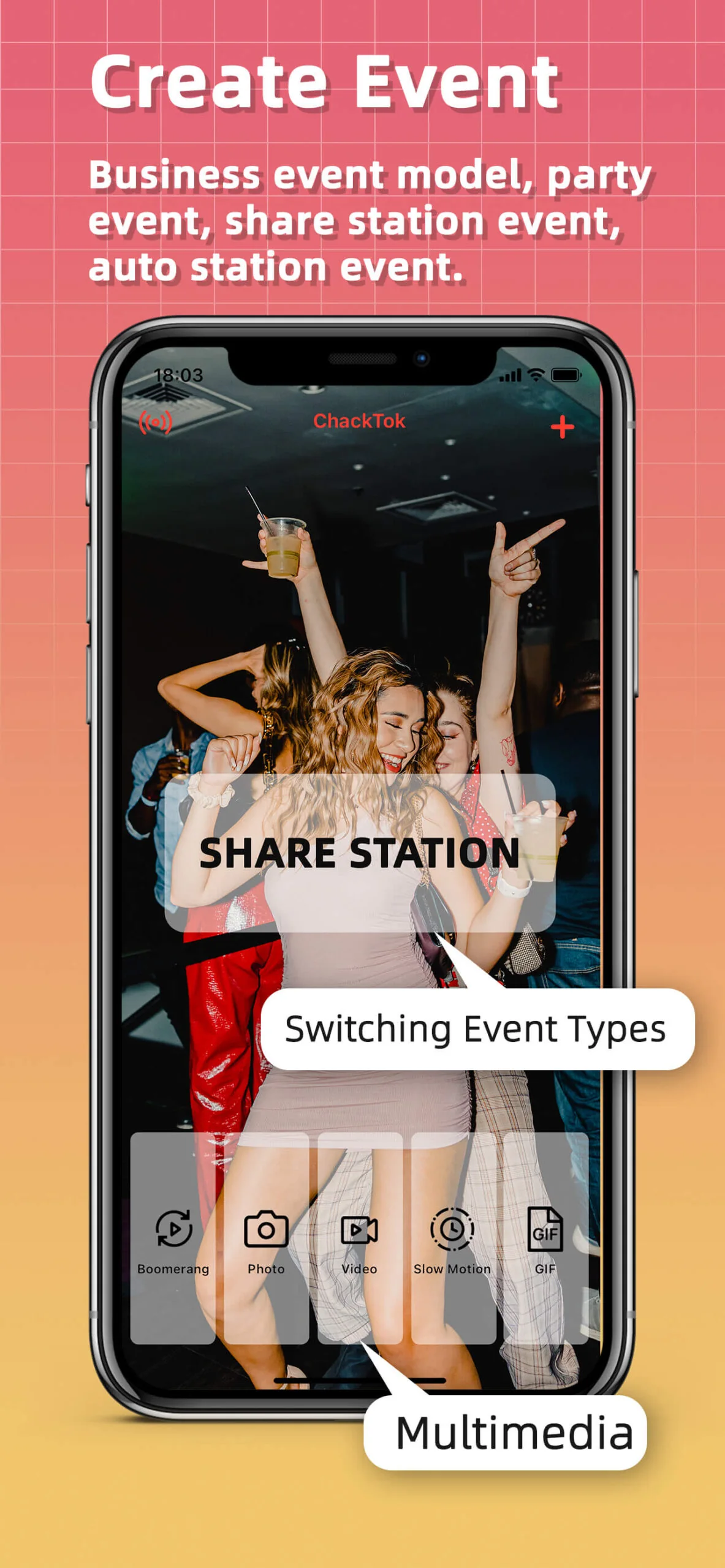
Supported ChackTok workflows can help prepare activity templates, apply creative settings, organize event content, and handle delivery or offline tasks. Those tools may help the team use current equipment consistently when the hardware and configuration are compatible.
Software does not make the purchase decision or remove the need to validate demand. Assign someone to verify finished media and outstanding tasks, and preserve comparable operational records.
Use the official equipment utilization guide as a framework. Expansion becomes a clearer decision when the operator can identify the customer need, the capacity shortage, the costs, and the team that will deliver the extra work.